🐾 Every tail welcome  ★  Dogs · Cats · Birds · Bunnies · Fish · Reptiles · Horses & more  ★  Real tips for real pet parents  ★  Where the tails are always wagging 🐾

Author: AbbieC

  • 10 Best Reptiles for First-Time Owners

    10 Best Reptiles for First-Time Owners

    Reptiles make fascinating pets. They’re quiet, don’t need walks and many are surprisingly gentle. But they do depend on you to recreate the right heat, light and humidity, so picking a beginner-friendly species really matters.

    Here are 10 of the best reptiles for first-time owners.

    1. Leopard Gecko

    Leopard geckos are the go-to beginner reptile. They’re small, docile, come in lots of colors and don’t need special lighting as much as some lizards. They eat live insects and can live 15 years or more.

    2. Bearded Dragon

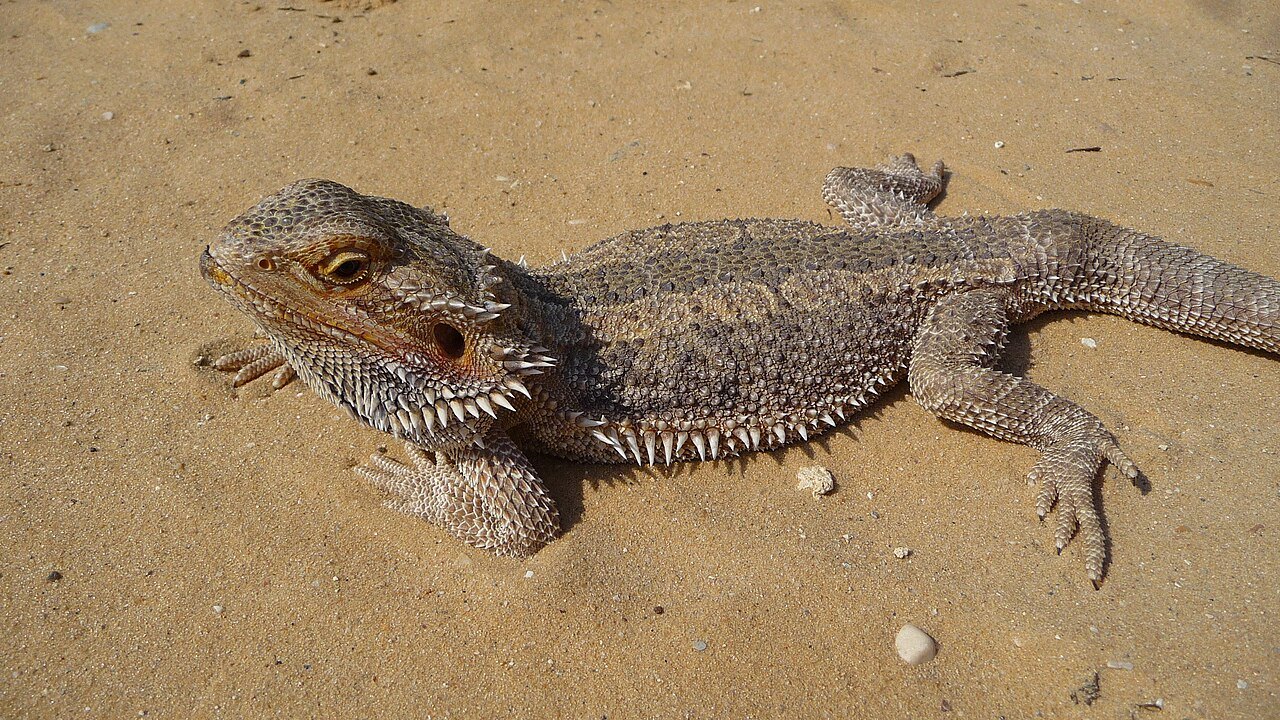
    Beardies are friendly, curious and often seem to enjoy hanging out with their people. They need a large tank, a basking spot and UVB lighting, plus a mix of insects and greens.

    3. Corn Snake

    Corn snakes are gentle, come in beautiful colors and stay a manageable size. They’re one of the easiest snakes to care for.

    4. Ball Python

    Ball pythons are calm and rarely bite. They’re known for curling into a ball when nervous. Keep in mind they can live 30 years, so it’s a long commitment.

    5. Crested Gecko

    Crested geckos are easy to care for and don’t need live insects every day since they can eat a prepared fruit diet. They’re happy at room temperature in many homes.

    6. Blue-Tongued Skink

    Blue-tongued skinks are sturdy, mellow lizards with, yes, bright blue tongues. They eat a varied diet and are usually tolerant of handling.

    7. Russian Tortoise

    Russian tortoises are small, hardy and full of personality. They need a large enclosure and a diet of leafy greens and weeds, and they can live 40 years or more.

    8. African Fat-Tailed Gecko

    These are a cousin of the leopard gecko with a gentle, laid-back nature. They like slightly more humidity.

    9. Rosy Boa

    Rosy boas are slow-moving and calm, and they stay small. They’re a great choice for someone who wants a snake that’s easy to handle.

    10. California Kingsnake

    Kingsnakes are hardy, active and come in bold patterns. They can be a little feisty as babies but usually calm down with gentle handling.

    A few musts for every reptile

    Set up the full enclosure and get the temperatures right before your pet comes home. Find a reptile vet in your area. And always wash your hands after handling reptiles, since many can carry salmonella.


    Featured image: Pogona vitticeps close-up 2009 G2 by George Chernilevsky, public domain, via Wikimedia Commons (cropped)

  • 12 Best Small Pets for Kids

    12 Best Small Pets for Kids

    A small pet can teach kids responsibility, gentleness and empathy. But “small” doesn’t always mean “easy.” Some little critters are better for young children, and some are better for older kids who can handle a bit more care.

    Remember that the grown-ups are always the backup caretakers. Here are 12 small pets that can be a great fit for families.

    1. Guinea Pigs

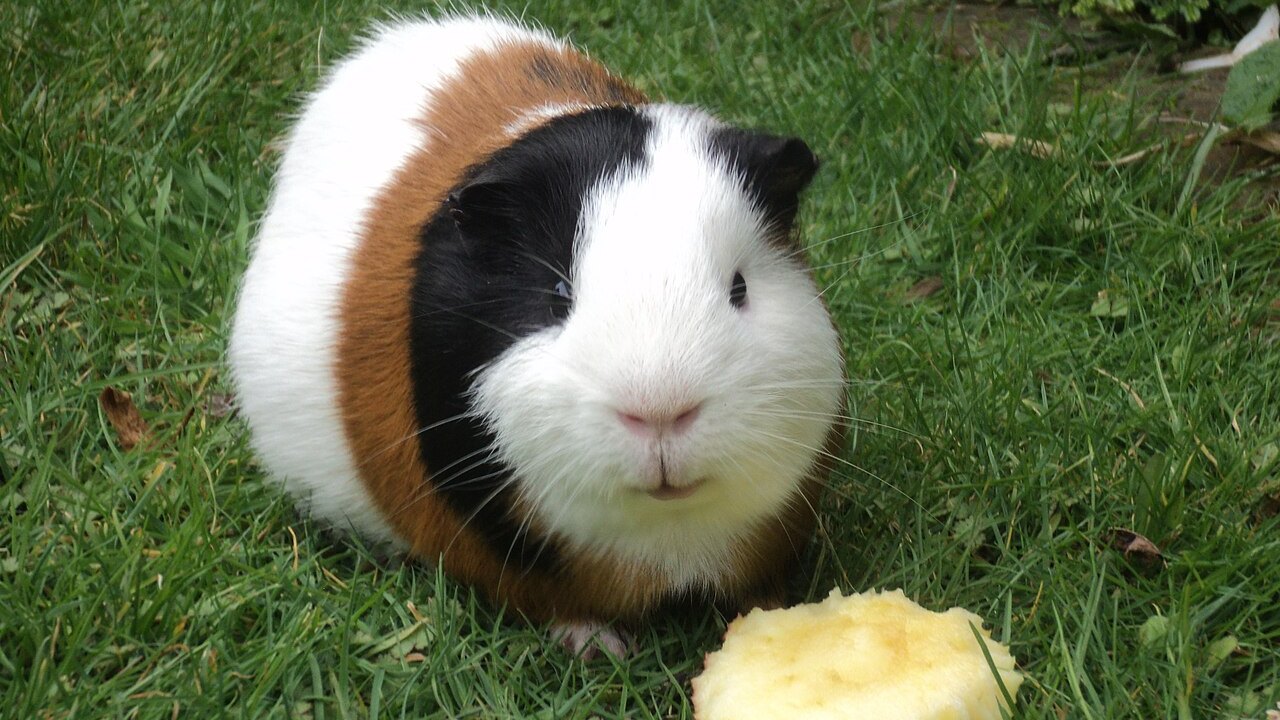
    Guinea pigs are gentle, rarely bite and are awake during the day. They chatter and squeak when they’re happy. They’re social, so plan on getting a pair.

    2. Rats

    It surprises a lot of parents, but pet rats are smart, clean and very affectionate. They learn their names and even simple tricks. Keep same-sex pairs so they have company.

    3. Gerbils

    Gerbils are curious, active during the day and less likely to bite than hamsters. They love to dig, so give them a deep bedding layer.

    4. Syrian Hamsters

    Syrian hamsters are the classic first pet. They’re mostly awake at night, which can be tough for little ones, and they need to live alone.

    5. Dwarf Hamsters

    Dwarf hamsters are tiny and fun to watch, but they’re quick and wiggly. They’re better for older kids who can handle them carefully.

    6. Mice

    Mice are easy to care for and fun to watch, though they’re small and fast for hands-on play. Females tend to do well in small groups.

    7. Rabbits

    Rabbits are sweet and social, but they’re a bigger commitment than many people expect. They can live 8 to 12 years, need lots of space and most don’t like being picked up. They’re best for families with older kids.

    8. Degus

    Degus are chatty, social rodents that are awake during the day. They do best in pairs and need a special low-sugar diet.

    9. Chinchillas

    Chinchillas have incredibly soft fur and can live 10 to 15 years or more. They’re gentle but don’t love being held, so they suit calm, older kids.

    10. Ferrets

    Ferrets are playful and hilarious, but they need lots of time out of their cage and careful supervision. They’re illegal in a few places, so check local rules first.

    11. Hedgehogs

    Hedgehogs are adorable and fairly quiet. They take time to warm up to people and are mostly awake at night. They’re also restricted in some states.

    12. Leopard Geckos

    Okay, technically a reptile, but leopard geckos are small, calm and easy for kids to handle gently. They need a warm tank and live insects for food.

    Choosing the right fit

    Think about your child’s age, your family’s schedule and how much space you have. Visit a local rescue, too. Lots of guinea pigs, rabbits and rats are waiting for homes.


    Featured image: Guinea Pig eating apple by Jg4817, CC BY-SA 3.0, via Wikimedia Commons (cropped)

  • 10 Basic Commands Every Dog Should Know

    10 Basic Commands Every Dog Should Know

    A well-trained dog isn’t about fancy tricks. It’s about everyday manners that keep your dog safe and make life easier for everyone in the house. The best part? Training is a great way to bond.

    Keep sessions short (five to ten minutes), use tasty treats and lots of praise, and end on a win. Here are 10 commands every dog should know.

    1. Sit

    Sit is the foundation for almost everything else. Hold a treat near your dog’s nose, slowly move it up and back over their head, and their bottom will naturally go down. Say “sit,” reward and repeat.

    2. Come

    A reliable recall could save your dog’s life. Practice in a quiet space first, and make coming to you the best thing ever with high-value treats. Never call your dog to you to scold them.

    3. Stay

    Stay teaches patience. Start with your dog in a sit, say “stay,” take one step back, then return and reward. Slowly build up distance and time.

    4. Down

    Down helps your dog settle and relax. From a sit, lower a treat to the floor between their front paws and slide it slowly forward until they lie down.

    5. Leave It

    Leave it keeps your dog from grabbing dropped pills, chicken bones or anything else they shouldn’t have. Start with a treat in a closed hand and reward when they stop trying to get it.

    6. Drop It

    Drop it gets things out of your dog’s mouth. Trade the toy for a treat, and give the toy back sometimes so your dog learns that letting go doesn’t mean losing the fun.

    7. Wait

    Wait is a short pause, perfect for doorways, car doors and mealtimes. It’s different from stay because your dog knows a release is coming soon.

    8. Off

    Off means four paws on the floor. Use it for jumping on guests or counter surfing, and reward your dog the moment all four paws hit the ground.

    9. Loose-Leash Walking

    Walks are more fun when no one is getting pulled. Stop moving whenever the leash gets tight, and reward your dog for walking near your side.

    10. Place

    Place sends your dog to a bed or mat to relax. It’s a lifesaver when the doorbell rings or you’re cooking dinner.

    Patience wins

    Every dog learns at their own pace. Stay consistent, keep it positive and have everyone in the family use the same words. If you hit a wall, a positive-reinforcement trainer can help.


    Featured image: Police Week 2025- 378th ESFS Military Working Dogs (9032336) by U.S. Air Force photo by Senior Airman Erin Dunkleberger, public domain, via Wikimedia Commons (cropped)
  • 12 Easiest Freshwater Fish for Beginners

    12 Easiest Freshwater Fish for Beginners

    A home aquarium is relaxing to watch and a great way to bring a little nature indoors. The trick to success is starting with fish that are hardy and peaceful, so you can learn the ropes without heartbreak.

    One important note before you shop: always cycle your tank first. That means running the filter for a few weeks so good bacteria can build up and handle fish waste. Ask your local fish store to test your water before you add anyone.

    Here are 12 of the easiest freshwater fish for beginners.

    1. Guppies

    Guppies are colorful, active and forgiving. Males have flashy tails. Just know they breed quickly, so keep only males if you don’t want a tank full of babies.

    2. Platies

    Platies come in tons of colors and are as easygoing as fish get. They’re peaceful, hardy and happy in a community tank.

    3. Zebra Danios

    Danios are fast, tough little fish that handle a range of water conditions. Keep them in a group of at least six so they feel secure.

    4. Neon Tetras

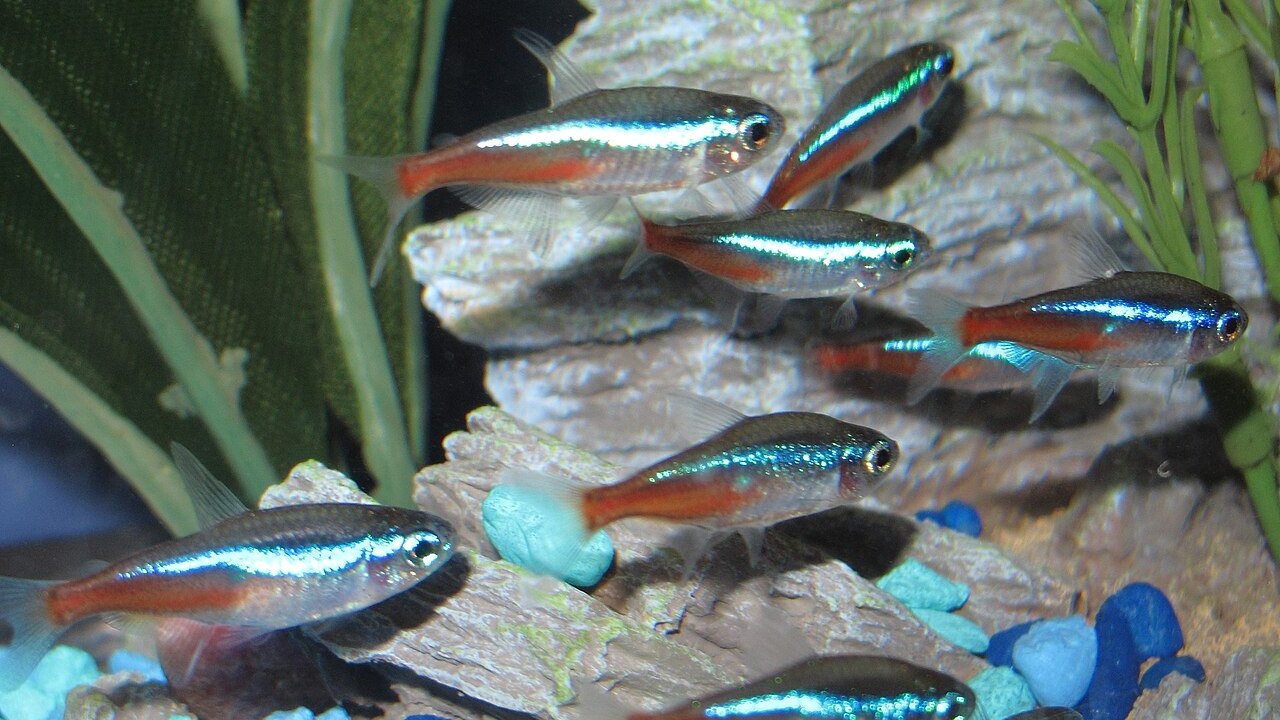
    Their glowing blue and red stripes make neon tetras a classic. They do best in a group and in a tank that has been running for a while, since they’re a little more sensitive to changes.

    5. White Cloud Mountain Minnows

    These pretty little fish handle cooler water, so many setups don’t need a heater. They’re peaceful and do well in groups.

    6. Corydoras Catfish

    Cories are the adorable cleanup crew of the aquarium world. They spend their days snuffling through the sand for leftovers. Keep them in groups of five or more on a soft sand bottom.

    7. Betta Fish

    Bettas are beautiful and full of personality. Despite what you may have seen, they need at least a 5-gallon heated, filtered tank, not a bowl. Keep only one male per tank.

    8. Mollies

    Mollies are hardy, curious and come in many colors. They do best in slightly harder water, so check your water before choosing them.

    9. Harlequin Rasboras

    These peaceful schooling fish have a pretty copper body with a dark triangle near the tail. A group of eight or more looks stunning in a planted tank.

    10. Cherry Barbs

    Cherry barbs are calmer than most barbs and the males turn a beautiful deep red. They get along well with other peaceful fish.

    11. Bristlenose Pleco

    Unlike the common pleco, which can grow over a foot long, the bristlenose stays a manageable 4 to 5 inches. They help keep algae in check, but still need their own food.

    12. Swordtails

    Swordtails are hardy, active fish named for the long, sword-like tail on the males. They need a little more swimming room than guppies or platies.

    Start small and go slow

    Add just a few fish at a time, feed lightly and do a partial water change every week or two. A patient start is the secret to a healthy, happy tank.


    Featured image: Paracheirodon innesi group by Brandy Dopkins, CC BY-SA 2.0, via Wikimedia Commons (cropped)

  • 10 Questions to Ask Before Adopting a Pet

    10 Questions to Ask Before Adopting a Pet

    Adopting a pet is one of the best things you can do. You’re giving an animal a second chance and gaining a friend. But it’s also a commitment that can last 10, 15, even 20 years.

    Before you fall for the first sweet face you see, take time to ask these 10 questions. They’ll help you find the right match and avoid heartbreak down the road.

    1. Do we have time for this pet?

    Think honestly about your daily schedule. Dogs need walks, training and attention. Cats and small pets need less, but they still need daily care and playtime.

    2. Can we afford it?

    Beyond the adoption fee, plan for food, supplies, vet visits, vaccines and emergencies. Setting aside a little each month for unexpected vet bills helps a lot.

    3. Does our home and lease allow pets?

    If you rent, check your lease for pet rules, size limits and deposits before you adopt. Nothing is sadder than having to give a pet back.

    4. What energy level fits our family?

    A high-energy young dog in a busy household with no time for exercise can be a recipe for chewed furniture. Ask the shelter staff about each animal’s energy and personality.

    5. How will this pet do with kids or other pets?

    Ask if the animal has been around children, dogs or cats. Many shelters can arrange a meet-and-greet with your current pets.

    6. What do you know about this pet’s history?

    Shelters often know why a pet was surrendered, any behavior notes and how they’ve done in foster care. Every detail helps you prepare.

    7. Does this pet have any health needs?

    Ask about medical history, current medications and any ongoing conditions. Older pets and pets with special needs can be wonderful companions with a little extra care.

    8. Who will be the main caretaker?

    Kids may promise to walk the dog every day, but it usually falls to the grown-ups. Decide ahead of time who will handle feeding, walks, vet visits and litter boxes.

    9. What’s our plan for travel?

    Think about who will care for your pet when you go out of town, whether that’s a sitter, a boarding facility or a friend.

    10. Are we ready for an adjustment period?

    Most rescue pets need time to settle in. Some will be shy or have accidents at first. Patience in those early weeks makes a huge difference.

    Take your time

    The right pet is worth waiting for. Visit more than once, ask lots of questions and lean on the shelter staff. They want this adoption to work just as much as you do.


    Featured image: Families find new furry friends at adoption event 140726-M-DN141-001 by Sgt. Valerie Eppler, public domain, via Wikimedia Commons (cropped)

  • 12 Best Pet Birds for Beginners

    12 Best Pet Birds for Beginners

    Birds can be wonderful pets. They’re smart, funny and full of personality. But they’re also a big commitment, and some species are a lot harder to care for than others.

    If you’re new to birds, start with one that’s known for being friendly, adaptable and forgiving of a few beginner mistakes. Here are 12 great options.

    1. Budgerigar (Budgie)

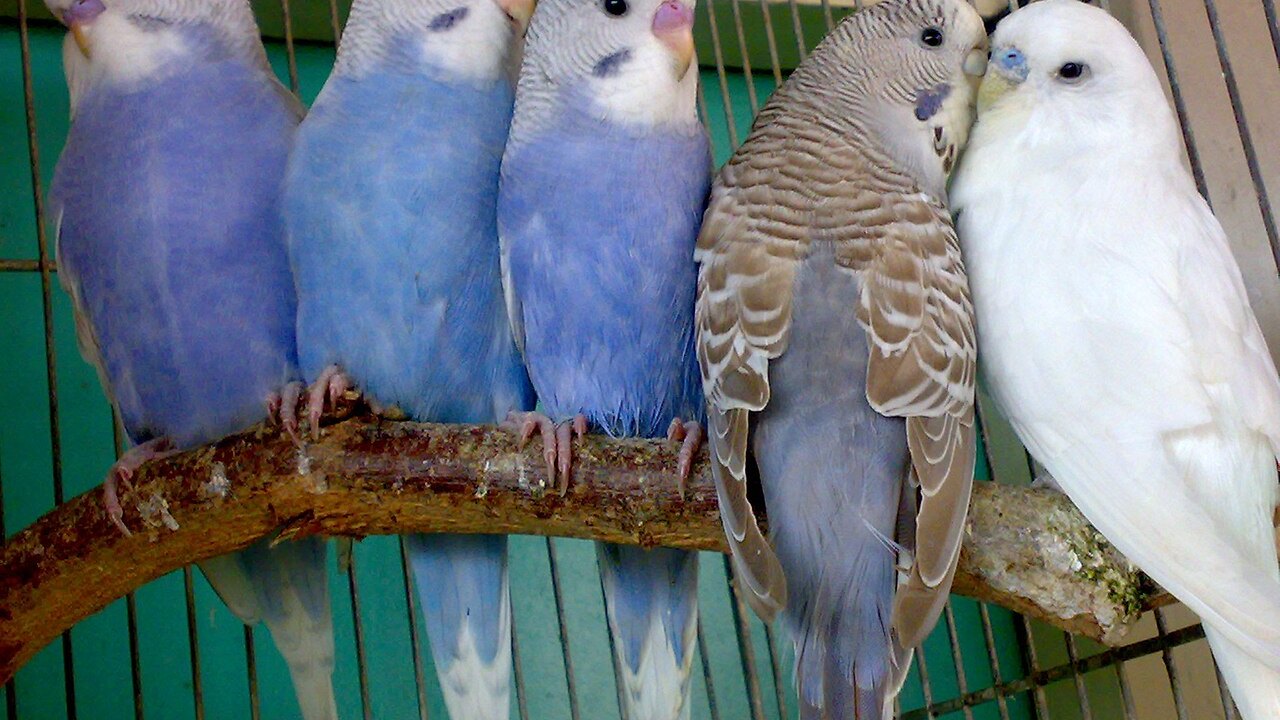
    Budgies are small, cheerful and one of the most popular pet birds in the world for good reason. They’re affordable, easy to tame with patience and some even learn to talk. They usually live 5 to 10 years, sometimes longer with great care.

    2. Cockatiel

    Cockatiels are gentle, affectionate and famous for their whistling. Many love to sit on your shoulder and get head scratches. They can live 15 to 20 years or more, so plan for the long haul.

    3. Canary

    If you love birdsong but don’t want a hands-on bird, a canary is a great pick. Males are the singers. They’re happy to be admired rather than handled.

    4. Zebra Finch

    Finches are tiny, busy and fun to watch. They do best in pairs or small groups and don’t need much handling. A roomy flight cage gives them space to zip around.

    5. Lovebird

    Lovebirds are small parrots with big personalities. A single lovebird that gets daily attention can become very bonded to its person. They can be a little feisty, so they’re better for older kids and adults.

    6. Parrotlet

    Parrotlets pack a whole parrot personality into a bird about the size of a budgie. They’re bold and curious and need daily interaction to stay tame.

    7. Green-Cheeked Conure

    Green-cheeked conures are playful clowns that love to hang upside down and snuggle in your hand. They’re quieter than most conures, which makes them a good fit for families.

    8. Ringneck Dove

    Doves are calm, quiet and gentle. Their soft cooing is soothing, and they rarely bite. They’re a great choice if you want a mellow bird.

    9. Bourke’s Parakeet

    Bourke’s parakeets are soft-spoken, sweet-natured birds with pretty pink feathers. They’re most active at dawn and dusk and are known for being peaceful.

    10. Pionus Parrot

    For someone ready for a medium-sized parrot, the pionus is one of the calmest. They’re less demanding than many parrots, but they can live 25 years or more.

    11. Senegal Parrot

    Senegals are smart, playful and a manageable size. They often bond closely with one person, so involve the whole family in handling and care.

    12. Quaker Parrot

    Quakers are excellent talkers and very social. Before you fall in love, check your local laws. Quaker parrots are restricted or banned in some states.

    Before you bring a bird home

    Every bird needs a roomy cage, a varied diet (not just seeds), daily time out of the cage and lots of toys. Many live a long time, so think about who will care for them in 10 or 20 years. Find an avian vet near you before you need one. Then get ready for a lot of chirpy, feathery fun.


    Featured image: Melopsittacus undulatus -a family of five pet Budgerigars-8a by mary bernadette de vera, CC BY 2.0, via Wikimedia Commons (cropped)
  • 10 Winter Care Tips for Horses and Farm Animals

    10 Winter Care Tips for Horses and Farm Animals

    Winter on the farm means frozen water buckets, muddy paddocks and early mornings in the cold. Most horses and farm animals handle cold weather better than we do, as long as they have the basics covered.

    Here are 10 ways to help your animals stay healthy and comfortable this winter.

    1. Keep water from freezing

    This is the big one. Horses and livestock drink less when water is icy cold, and that raises the risk of colic and dehydration. Tank heaters or heated buckets are worth every penny. Check them daily, since they can fail without warning.

    2. Feed more hay

    Digesting hay creates heat inside the body, so extra forage is like an internal furnace. On bitter nights, a few more flakes of hay will help more than extra grain.

    3. Provide a windbreak

    Most animals don’t need a heated barn, but they do need a way to get out of the wind and wet. A run-in shed, a barn or even a solid tree line can make a huge difference.

    4. Blanket only when it makes sense

    Many healthy horses with a full winter coat do fine without a blanket. Blankets help horses that are clipped, older, thin or not used to the cold. If you do blanket, check underneath often for rubs and make sure your horse isn’t sweating.

    5. Check body condition by hand

    A thick winter coat and a blanket can hide weight loss. Run your hands over ribs and hips every week or so to make sure your animals are holding their weight.

    6. Watch the hooves

    Snow can pack into hooves and form icy balls that make walking tricky. Pick hooves daily and ask your farrier about snow pads. Muddy conditions also raise the risk of thrush.

    7. Keep chicken coops dry and ventilated

    Chickens handle cold well, but damp air leads to frostbite on combs and wattles. Good ventilation up high (without drafts at roost level) matters more than heat.

    8. Give goats a dry place to rest

    Goats hate being wet. Make sure their shelter has dry bedding and stays out of the wind. Deep straw bedding gives them a cozy place to snuggle together.

    9. Keep salt and minerals available

    Salt encourages animals to drink more water, which helps prevent winter colic and keeps digestion moving.

    10. Plan for icy footing

    Spread sand or stall pellets on icy paths and gate areas. A slip can hurt you just as easily as your animals, so take care of the walkways you use every day.

    Keep an eye on the little things

    Do a quick check of every animal at each feeding. Catching a frozen waterer, a limp or a skipped meal early is the best way to get through winter with a happy, healthy barnyard.


    Featured image: Horse With No Blanket Or Two Cold Horses (247771017) by Dana Hutchinson, CC BY 3.0, via Wikimedia Commons (cropped)
  • 12 Cat Behaviors That Mean Your Cat Loves You

    12 Cat Behaviors That Mean Your Cat Loves You

    Cats get a bad rap for being aloof. Anyone who has lived with one knows better. Cats show love all the time. They just do it in their own quiet, quirky way.

    If you’ve ever wondered whether your cat actually likes you, here are 12 signs that the answer is a big yes.

    1. The slow blink

    When your cat looks at you and slowly closes and opens their eyes, that’s a sign of trust. Closing their eyes around you means they feel safe. Try slow-blinking back. Many cats will return it.

    2. Head bunting

    That gentle bonk of the head against your hand, leg or face is called bunting. Cats have scent glands on their cheeks and forehead, so they’re marking you as part of their family.

    3. Kneading

    Pushing their paws in and out on your lap, often called making biscuits, goes back to kittenhood. It’s a sign your cat feels content and comfortable with you.

    4. Purring when you’re close

    Purring can mean a lot of things, but a cat that settles in next to you and starts rumbling is usually a happy cat. Pay attention to the rest of their body. Soft eyes and a relaxed posture mean they’re enjoying your company.

    5. Showing you their belly

    A cat’s belly is their most vulnerable spot, so rolling over in front of you is a big compliment. Just know it’s usually a sign of trust, not an invitation for belly rubs. Many cats will still swat if you go for it.

    6. The tail held high

    A cat that trots toward you with their tail straight up, sometimes with a little hook at the tip, is happy to see you. It’s the feline version of a friendly wave.

    7. Following you from room to room

    If your cat trails you to the kitchen, the laundry room and yes, the bathroom, they want to be where you are. Cats are more social than we give them credit for.

    8. Sleeping on you or near you

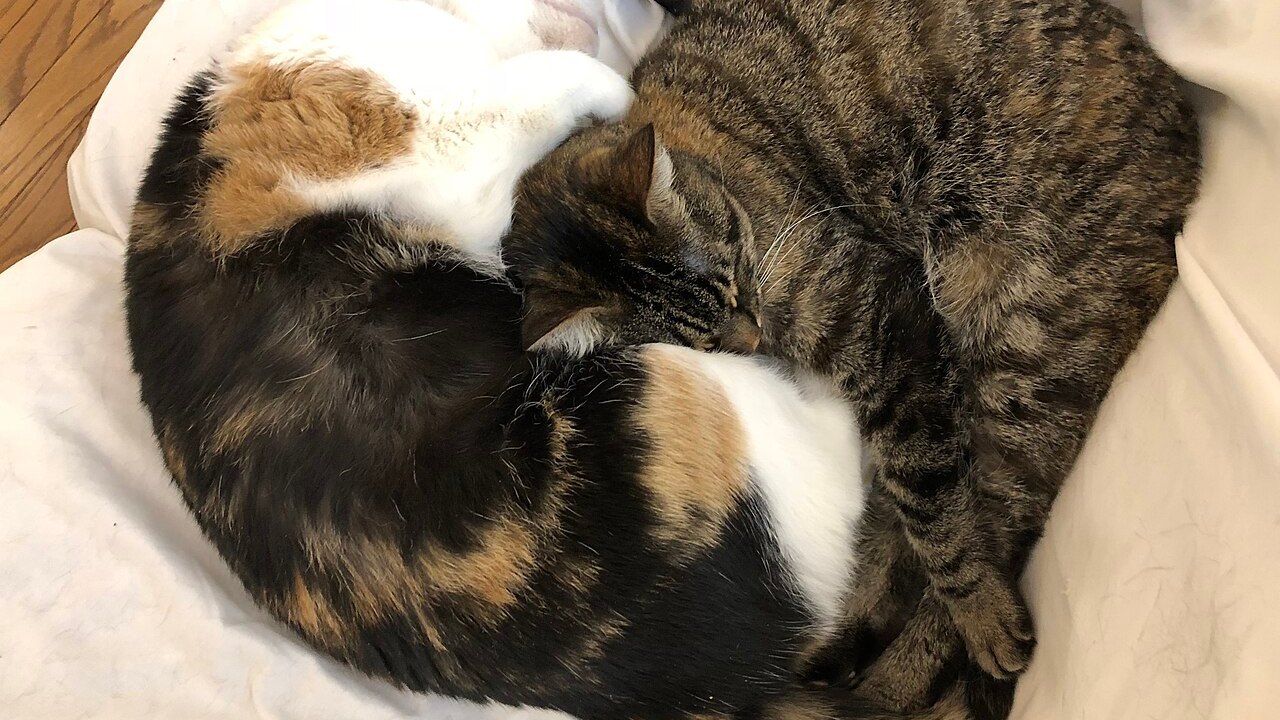
    Cats are vulnerable while they sleep, so they pick their nap spots carefully. If they choose your lap, your pillow or the spot right next to you, you’re their safe place.

    9. Grooming you

    A few licks on your hand or a nibble on your hair might feel odd, but cats groom the members of their group. Your cat is treating you like family.

    10. Talking to you

    Adult cats rarely meow at each other. Most of that chatter is meant for us. If your cat greets you with a chirp or a trill when you walk in, they’re saying hello.

    11. Bringing you “gifts”

    A toy mouse dropped at your feet (or something less pleasant from the backyard) is your cat sharing with you. It may not be the present you wanted, but it comes from a good place.

    12. Showing you their back

    Some cats will sit with their back to you, which can feel like a snub. It’s actually the opposite. Turning their back means they trust you not to sneak up on them.

    Every cat is a little different

    Some cats are cuddle bugs and some prefer to love you from across the room. Learn your own cat’s signals and give them space when they ask for it. That trust you build is what makes the bond so special.


    Featured image: 2020-05-13 02 09 27 A Calico cat and a tabby cat cuddling while sleeping on a couch in the Franklin Farm section of Oak Hill, Fairfax County, Virginia by Famartin, CC BY-SA 4.0, via Wikimedia Commons (cropped)
  • 10 Winter Walk Tips to Protect Your Dog’s Paws

    10 Winter Walk Tips to Protect Your Dog’s Paws

    Most dogs love a good romp in the snow. Their paws, on the other hand, take a beating every winter. Ice cuts, salt burns and dry, cracked pads are all common this time of year, and they can turn a fun walk into a limping trip home.

    The good news is that a few small habits make a big difference. Here’s how to keep your dog’s feet happy until spring.

    1. Wipe paws after every walk

    Road salt and chemical ice melt cling to fur and pads. If your dog licks them off at home, it can upset their stomach. Keep an old towel or a bowl of warm water by the door and give each paw a quick wipe as soon as you come inside.

    2. Trim the fur between the pads

    Long tufts of fur between the toes collect little ice balls that pull and sting. Trimming that fur flush with the pads (or having your groomer do it) keeps snow from clumping up.

    3. Try a paw balm or wax

    A thin layer of paw wax before you head out works like an invisible boot. It helps protect pads from salt and keeps them from drying out. Rub a little more in after you wipe their feet at night.

    4. Consider dog booties

    Booties look silly for about five minutes, and most dogs do a funny high-step walk at first. Start indoors with short sessions and lots of treats. Once your dog gets used to them, they’re the best protection you can buy for icy sidewalks.

    5. Choose pet-safe ice melt at home

    You can’t control what your neighbors put down, but you can control your own driveway and steps. Look for ice melt labeled pet-safe, and keep the bag stored where curious noses can’t get into it.

    6. Keep walks shorter on bitter days

    When the temperature drops into the teens or the wind chill gets nasty, cut walks down to quick potty breaks. Small dogs, short-haired breeds, puppies and seniors feel the cold faster than big fluffy breeds.

    7. Watch for signs of trouble

    Limping, licking at their feet, lifting one paw off the ground or red, cracked pads are all signs it’s time to head home. Check between the toes for small cuts from ice. If a pad is bleeding, swollen or not healing after a few days, call your vet.

    8. Stay away from frozen ponds

    Ice on ponds and creeks can look solid and still give way under a running dog. Keep your pup leashed near water in winter, and never go out on the ice after them.

    9. Watch out for antifreeze

    Antifreeze tastes sweet to dogs and is extremely toxic, even in small amounts. Steer your dog away from puddles in parking lots and driveways, and clean up any drips in your garage. If you think your dog licked some, call your vet right away.

    10. Make yourself easy to see

    Winter evenings get dark early. A reflective collar, a light-up leash or a small clip-on light helps drivers spot you both on those late-afternoon walks.

    A little prep goes a long way

    Winter doesn’t have to mean staying cooped up inside. With clean paws, a little wax and a watchful eye, your dog can keep enjoying those crisp morning walks right along with you.


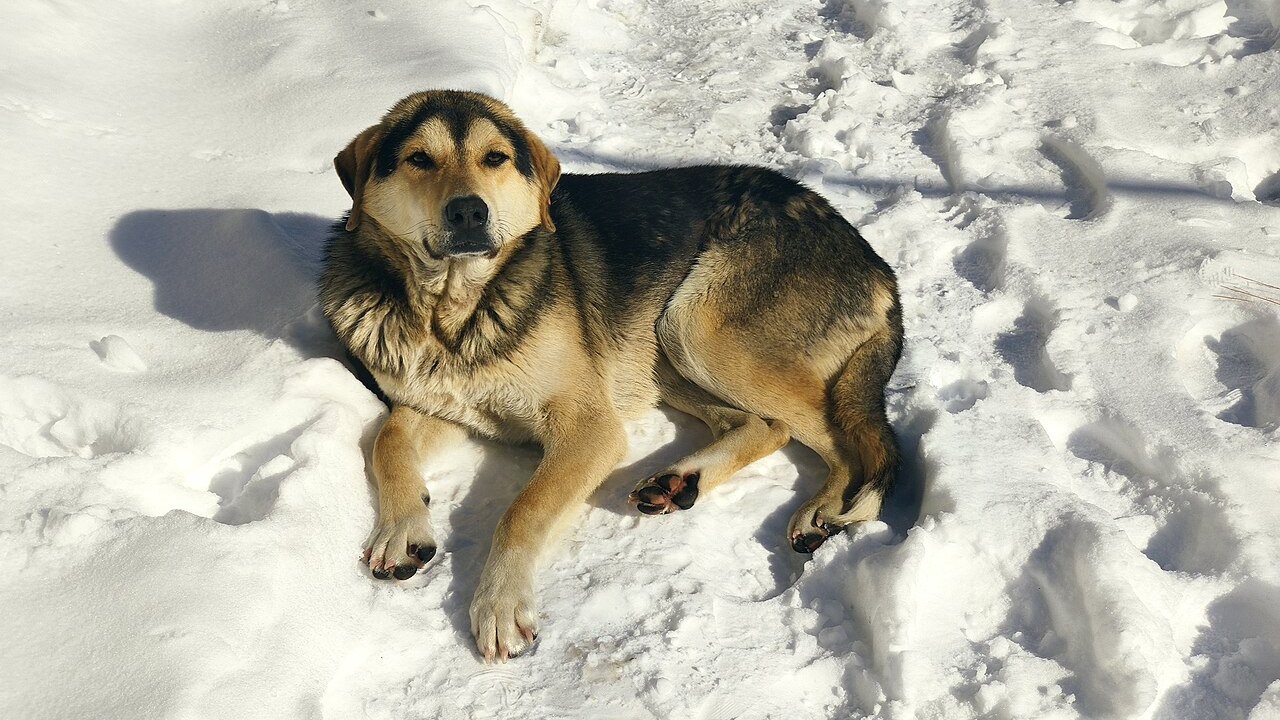
    Featured image: Dog of Dmanisi (1) by Reda Kerbush, CC BY-SA 4.0, via Wikimedia Commons (cropped)

  • 12 Gift Ideas for the Pet Lovers on Your List

    12 Gift Ideas for the Pet Lovers on Your List

    Everyone has that person on their list who talks about their pets like their kids, shares every cute photo and plans their weekends around their dog. Good news: they’re one of the easiest people to shop for.

    Here are 12 gift ideas for the pet lovers in your life.

    1. A Custom Pet Portrait

    A painting or illustration of their pet is a gift they’ll keep forever. Many artists can work from a favorite photo.

    2. A Personalized Ornament

    An ornament with their pet’s name or photo makes a sweet addition to the Christmas tree year after year.

    3. A Pet Photo Calendar

    Gather a year’s worth of their best pet photos and turn them into a calendar. It’s a gift they’ll smile at every single month.

    4. A Cozy Throw Blanket

    A soft, washable blanket for the couch is a gift for both of them. Look for one that hides fur or can go straight in the washer.

    5. A Pet Camera

    For the pet parent who worries while they’re at work, a camera that lets them check in (and sometimes toss a treat) is a big hit.

    6. An Engraved ID Tag

    A sturdy, stylish ID tag is practical and personal. Add their pet’s name and a phone number.

    7. A Subscription Box

    Monthly boxes of toys and treats are fun for the pet and fun for the owner to open. Many let you choose based on size or chewing style.

    8. A Mug or Tumbler With Their Pet’s Face

    It’s a little silly and they’ll love it. Their morning coffee just got a lot cuter.

    9. A Paw Print Keepsake Kit

    Clay or ink kits let them capture their pet’s paw print. It’s especially meaningful for families with older pets.

    10. A Professional Grooming Session

    A gift card to a local groomer gives their pet a spa day and gives them a break from bath time.

    11. A Pet-Themed Book

    A heartwarming memoir, a funny cartoon collection or a practical training guide all make great gifts for animal lovers.

    12. A Donation in Their Pet’s Name

    For the person who has everything, a donation to a local shelter or rescue in their pet’s honor is a gift that helps animals still waiting for a home.

    Don’t forget the pet

    Tuck a small toy or a bag of treats in with your gift. Nothing makes a pet parent happier than seeing their furry family member get spoiled too.


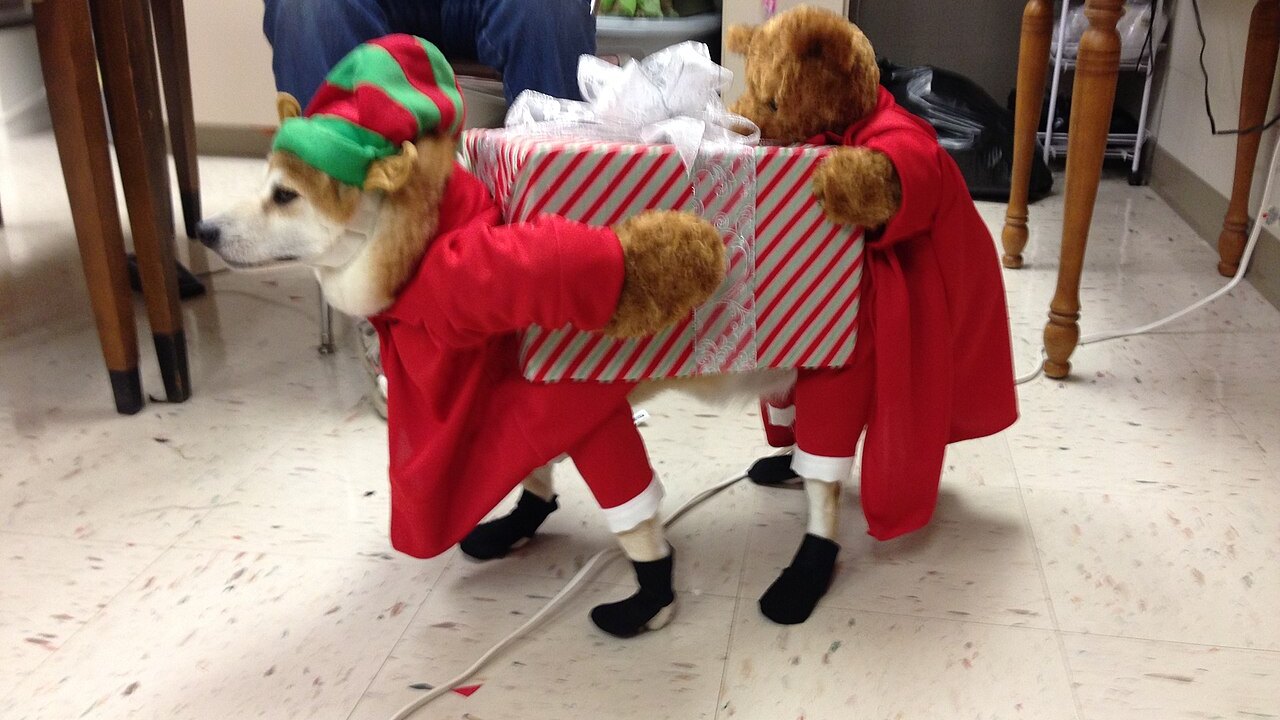
    Featured image: Very Cool Dog Costume for Christmas (8126564352) by Petful from New York City, USA, CC BY 2.0, via Wikimedia Commons (cropped)