Reptiles make fascinating pets. They’re quiet, don’t need walks and many are surprisingly gentle. But they do depend on you to recreate the right heat, light and humidity, so picking a beginner-friendly species really matters.
Here are 10 of the best reptiles for first-time owners.
1. Leopard Gecko
Leopard geckos are the go-to beginner reptile. They’re small, docile, come in lots of colors and don’t need special lighting as much as some lizards. They eat live insects and can live 15 years or more.
2. Bearded Dragon
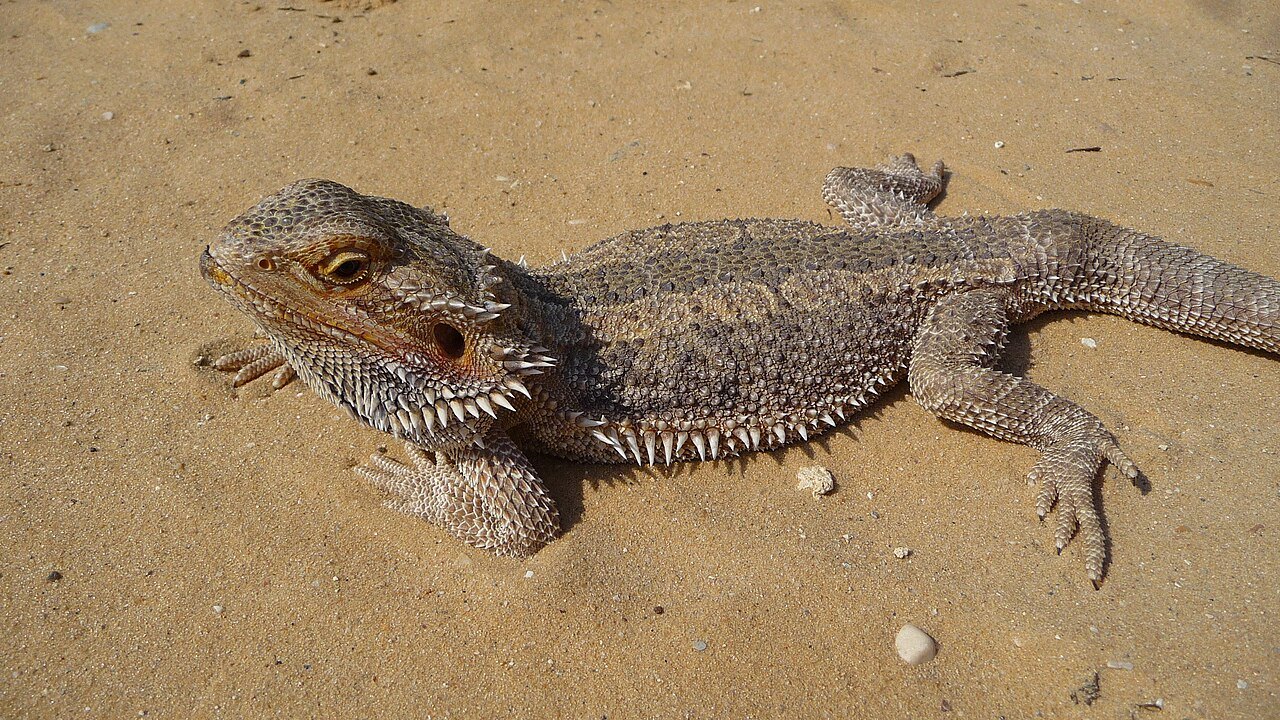
Beardies are friendly, curious and often seem to enjoy hanging out with their people. They need a large tank, a basking spot and UVB lighting, plus a mix of insects and greens.
3. Corn Snake
Corn snakes are gentle, come in beautiful colors and stay a manageable size. They’re one of the easiest snakes to care for.
4. Ball Python
Ball pythons are calm and rarely bite. They’re known for curling into a ball when nervous. Keep in mind they can live 30 years, so it’s a long commitment.
5. Crested Gecko
Crested geckos are easy to care for and don’t need live insects every day since they can eat a prepared fruit diet. They’re happy at room temperature in many homes.
6. Blue-Tongued Skink
Blue-tongued skinks are sturdy, mellow lizards with, yes, bright blue tongues. They eat a varied diet and are usually tolerant of handling.
7. Russian Tortoise
Russian tortoises are small, hardy and full of personality. They need a large enclosure and a diet of leafy greens and weeds, and they can live 40 years or more.
8. African Fat-Tailed Gecko
These are a cousin of the leopard gecko with a gentle, laid-back nature. They like slightly more humidity.
9. Rosy Boa
Rosy boas are slow-moving and calm, and they stay small. They’re a great choice for someone who wants a snake that’s easy to handle.
10. California Kingsnake
Kingsnakes are hardy, active and come in bold patterns. They can be a little feisty as babies but usually calm down with gentle handling.
A few musts for every reptile
Set up the full enclosure and get the temperatures right before your pet comes home. Find a reptile vet in your area. And always wash your hands after handling reptiles, since many can carry salmonella.
Featured image: Pogona vitticeps close-up 2009 G2 by George Chernilevsky, public domain, via Wikimedia Commons (cropped)
